Understanding CNC Machines: A Buyer’s Guide

CNC machines have revolutionized the manufacturing industry, offering precision, efficiency, and versatility. Whether you are a hobbyist looking to create intricate designs or a business aiming to streamline production, understanding CNC machines is crucial for making informed purchasing decisions. This guide will walk you through the essential aspects of CNC machines, helping you choose the right one for your needs.
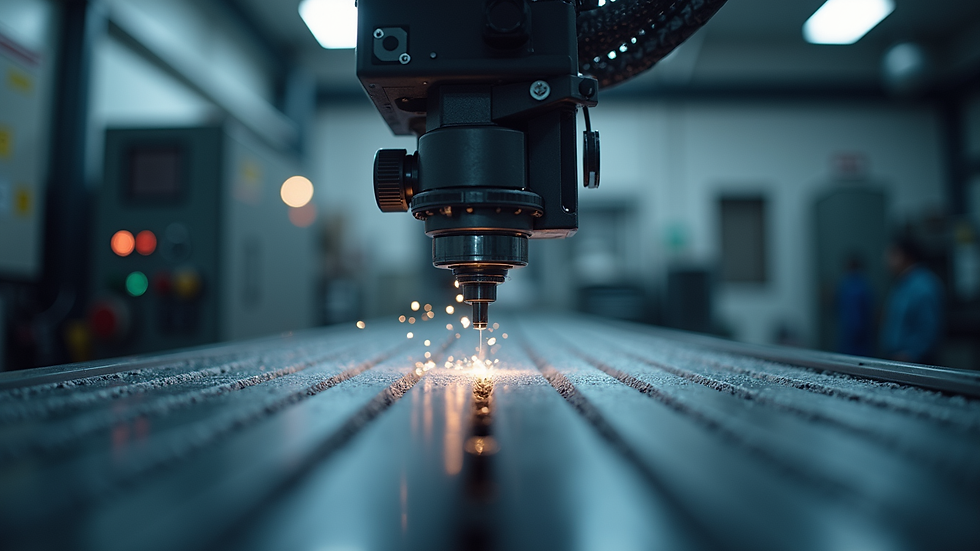
What is a CNC Machine?
CNC stands for Computer Numerical Control. A CNC machine is a device that uses computer programming to control its movements and operations. Unlike traditional machines that require manual operation, CNC machines automate the manufacturing process, allowing for greater accuracy and repeatability.
Key Components of CNC Machines
Controller: The brain of the CNC machine, the controller interprets the computer program and translates it into machine movements.
Drive System: This includes motors and gears that move the machine's components.
Cutting Tool: The tool that performs the actual cutting, drilling, or milling.
Workpiece: The material being worked on, which can be metal, wood, plastic, or other materials.
Feedback System: Sensors that provide real-time data to the controller about the machine's position and performance.
Types of CNC Machines
CNC machines come in various types, each designed for specific tasks. Here are some of the most common types:
CNC Milling Machines
CNC milling machines are versatile and can perform a variety of tasks, including drilling, cutting, and shaping. They use rotary cutters to remove material from a workpiece.
Applications:
Creating complex shapes and designs
Producing parts for automotive and aerospace industries
CNC Lathes
CNC lathes are used primarily for turning operations. They rotate the workpiece against a stationary cutting tool to create cylindrical shapes.
Applications:
Manufacturing shafts, bolts, and other cylindrical components
CNC Plasma Cutters
These machines use a high-temperature plasma arc to cut through metal. They are ideal for cutting thick materials quickly and efficiently.
Applications:
Metal fabrication and construction
CNC Laser Cutters
CNC laser cutters use focused laser beams to cut or engrave materials with high precision. They are suitable for a wide range of materials, including wood, acrylic, and metal.
Applications:
Sign making, jewelry design, and intricate engraving
Factors to Consider When Buying a CNC Machine
When purchasing a CNC machine, several factors should influence your decision:
1. Purpose and Application
Identify what you will primarily use the CNC machine for. Different machines excel in different applications. For example, if you need to cut metal, a CNC plasma cutter might be the best choice.
2. Size and Workspace
Consider the size of the machine and the workspace available. Ensure that the machine fits comfortably in your workshop and can handle the size of the workpieces you plan to use.
3. Budget
CNC machines can vary significantly in price. Determine your budget and look for machines that offer the best value for your needs. Remember to factor in additional costs such as software, tools, and maintenance.
4. Software Compatibility
CNC machines require software for programming. Ensure that the machine you choose is compatible with the software you plan to use. Popular software options include Fusion 360, SolidWorks, and Mastercam.
5. Support and Training
Consider the level of support and training offered by the manufacturer. A good support system can help you troubleshoot issues and maximize the machine's capabilities.
Understanding CNC Machine Specifications
When evaluating CNC machines, pay attention to the following specifications:
1. Axis Configuration
CNC machines can have different axis configurations, such as 3-axis, 4-axis, or 5-axis. More axes allow for more complex machining operations.
2. Speed and Feed Rate
The speed at which the machine operates and the feed rate (how fast the cutting tool moves) are crucial for efficiency and quality. Higher speeds can lead to faster production but may require more advanced tools.
3. Tool Capacity
Check the tool capacity of the machine, including the number of tools it can hold and the types of tools compatible with it. This will affect the versatility of the machine.
4. Accuracy and Tolerance
Look for machines that offer high precision and tight tolerances, especially if you are working on intricate designs or components that require exact measurements.
Maintenance and Care for CNC Machines
Proper maintenance is essential for the longevity and performance of your CNC machine. Here are some tips:
Regular Cleaning: Keep the machine clean to prevent dust and debris from affecting its performance.
Lubrication: Regularly lubricate moving parts to reduce wear and tear.
Software Updates: Keep the machine's software up to date to ensure optimal performance and security.
Calibration: Periodically calibrate the machine to maintain accuracy.
Conclusion
Investing in a CNC machine can significantly enhance your manufacturing capabilities, whether for personal projects or business operations. By understanding the different types of CNC machines, their specifications, and maintenance requirements, you can make an informed decision that aligns with your needs.
As you explore your options, consider your specific applications, budget, and the level of support you require. With the right CNC machine, you can unlock new possibilities in design and production, taking your projects to the next level.
Take the next step in your CNC journey by researching models that fit your criteria and reach out to manufacturers for demonstrations or further information. Your perfect CNC machine awaits!
Comments